Precision practices, grounded in agronomy
Technology only matters if it improves what happens in the soil. Here's how our platform supports the core disciplines of modern farming.
Every practice, backed by field-level data
From soil chemistry to pest pressure, each discipline draws on the same underlying sensor and analytics network.
Precision Agriculture
Field-level, and often plant-level, decisions replace uniform treatment across whole fields.
- Variable-rate seeding & fertilizing
- Zone-based management maps
- Input use matched to actual need
Soil Health Monitoring
Continuous sensing of moisture, temperature, and nutrient levels keeps soil conditions visible year-round.
- Real-time nutrient tracking
- Compaction & structure alerts
- Multi-depth moisture profiles
Sustainable Water Management
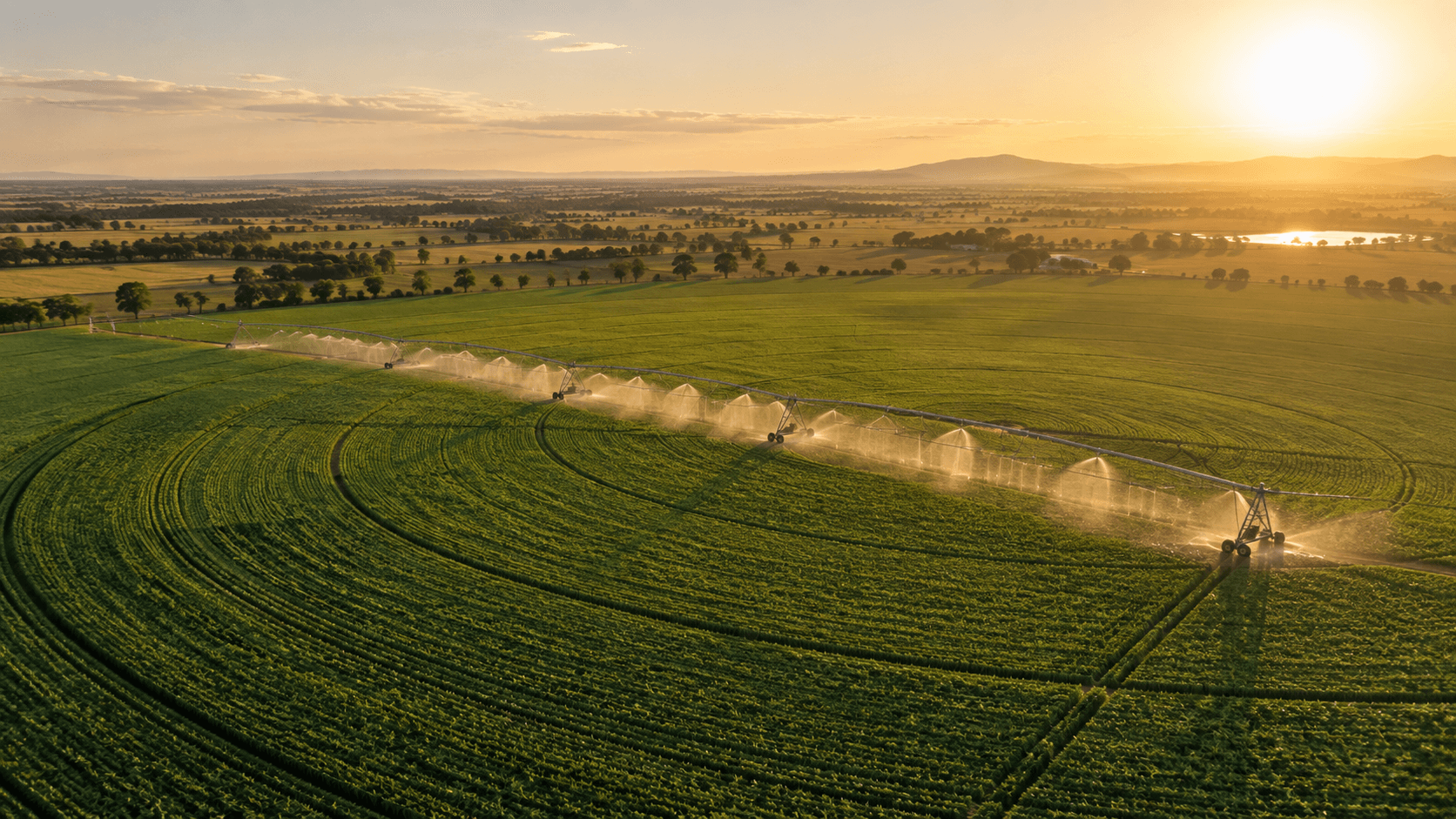
Irrigation systems that respond to actual field demand instead of fixed schedules.
- Evapotranspiration-based scheduling
- Leak & runoff detection
- Basin-level water accounting
Regenerative Practices
Cover cropping, reduced tillage, and rotation planning supported by measurable soil-health data.
- Cover crop performance tracking
- Tillage impact analysis
- Multi-year rotation planning
Pest & Disease Detection
Early-warning models flag pressure zones before infestations spread across a field.
- Image-based early detection
- Localized treatment mapping
- Resistance-risk tracking
Nutrient Science
Lab-grade soil and tissue analysis paired with field sensors to fine-tune fertility programs.
- Custom fertility prescriptions
- Tissue sampling integration
- Seasonal nutrient budgeting
6
Core farming disciplines covered
18,000+
Soil & field sensors deployed
35%
Average yield improvement
-30%
Reduction in chemical input use
Growing more without asking the land for more
Every recommendation our platform makes is weighed against water use, soil health, and long-term productivity — not just this season's yield. That means smarter irrigation schedules, targeted rather than blanket treatments, and rotation plans built on real soil data instead of habit.
40%
Water use reduction
30%
Chemical input reduction
+18%
Soil organic matter gain
4,200
Carbon program acres enrolled
Curious how these practices apply to your fields?
Every farm's soil, climate, and crop mix is different — let's talk through what would move the needle for yours.